
New school takes shape
The new Pinnacle College Waterfall prepares for its grand opening in January.
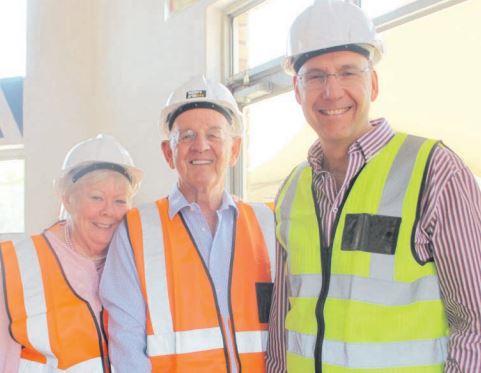
Barbara Eaton the academic advisor for the pre-primary, Ronnie de Klerk the project manager for the schools division and Mike Aitken the schools division CEO stand in a new classroom during the visit. Photo: Robyn Kirk
In just a few short months, Pinnacle College Waterfall will be opening its doors as a place where children can learn and grow.
The ADvTECH school, currently under renovation and located in Candican Road, will offer a mid-fee education that includes a very strong academic programme whilst giving learners the opportunity to grow and develop through sport and cultural activities. The school will open its doors for Grade 000 to Grade 9 learners in January and will eventually encompass the full school up to Grade 12.
On 20 September, a number of ADvTECH employees undertook a site visit to see the new grounds and give their input on what still needs to be added. “A number of staff members are here today,” explained Christelle Wolmarans, the public relations officer for ADvTECH. “They are going around the premises to see how construction is going and make a list of things that still need to be done – For example, the IT department is figuring out if they have all the plug points they need.
“The school can accommodate about 1 700,” she added. “When we open, we’ll have Grade 000s up until Grade 8 which is nearly full. We’ll then organically grow the school up to Grade 12. At the beginning, there will be one grade per class.” Pinnacle College Waterfall is one of six Pinnacle schools that ADvTECH has launched. The Waterfall campus is a little bit different from the others in that it’s buildings are not being built from scratch, but rather is based at what used to be a South African Brewery (SAB) training centre which is being renovated to better fit with the school’s needs.
“With this being a former SAB building, it is an interesting and different space that doesn’t quite look like any of our other schools,” explained Mike Aitken, the schools division chief executive officer for ADvTECH and one of the visitors on 20 September. “[ADvTECH] has been searching for a good mid-fee school [private schools that still require families to pay fees, but not as high fees as some of the other private schools] and we eventually came up with the concept of Pinnacle Colleges. “This school represents a certain standard of education that serves communities. “During the visit, visitors got to see the 15 classrooms that will be used after the first phase of work is complete (a second phase is planned for the next few years, as the school starts to grow).
Much thought was given to how the spaces will be used, and what different ages of children will need. “The classrooms for the Grade 1s, 2s and 3s are nice and big, about 80 square meters to a regular classroom size of about 55 square meters,” explained Barbara Eaton, the academic advisor for the pre-primary present during the visit. “Children that age don’t sit at desks, but need to get up and move as they learn. “Children will have the space to do enquiry learning, and these classrooms will also have round tables for when the children are collaborating and co-operating, which are important skills in a global company.” For the older children, the spaces in the new school have also been carefully considered, with a media centre being planned for the space that SAB formerly used as a presentation space.
“We want to turn it into a multi-media space,” Wolmarans added. “Little square pods will be placed here where different activities can happen at the same time, such as music practise or extra lessons. “It’s also a place where children can learn global competencies such as computer and programming skills. coding and robotics will be introduced to youngsters as part of the curriculum.”
Before the grand opening in January, the people behind the new school want to host a special welcome function for parents and learners alike to become familiar with the grounds. Nearly 2 000 children have already signed on to attend the new school, and all teaching positions besides two have been filled by new staff. Keith Armstrong, the newly selected principal of the school believes great things lie in the future.
“I’m very excited, we’ve got an amazing school here,” he told the Fourways Review. “It’s a beautiful campus and its fees match anything out there. “I love that it’s different space, with big rooms and beautiful finishes,” he concluded.
Details: www.pinnaclecolleges.co.za/waterfall
Advtech Updates

ADvTECH Limited (Incorporated in the Republic of South Africa) (Registration number 1990/001119/06) JSE code: ADH ISIN: ZAE000031035 (“ADvTECH” or “the group”) VOLUNTARY TRADING STATEMENT FOR THE YEAR ENDED 31 DECEMBER 2025 The board hereby advises on its expectations of the financial results for the year ended 31 December 2025. Basic normalised earnings per share (“NEPS”), Basic headline earnings per share (“HEPS”) and Basic earnings per share ("EPS") for the year ended 31 December 2025 are expected to be between 14% and 19% higher than the comparative reporting period for the year ended 31 December 2024 ("the comparative period") or between 229.9 and 241.0 cents per share as compared to NEPS of 202.5 cents, HEPS of 202.2 cents per share and EPS of 201.7 cents per share for the comparative period. The group reports NEPS as a way of excluding the effect of one-off transactions and corporate action costs from its results. The financial information on which this trading update is based on has not been reviewed or audited by the group’s external auditors. 2026 student enrolment is on track and continues to grow in line with recent trends. ADvTECH expects to release results for the year ended 31 December 2025 on the JSE’s Stock Exchange News Service on or about Monday, 23 March 2026. 5 March 2025 Johannesburg Sponsor: Bridge Capital Advisors Proprietary Limited
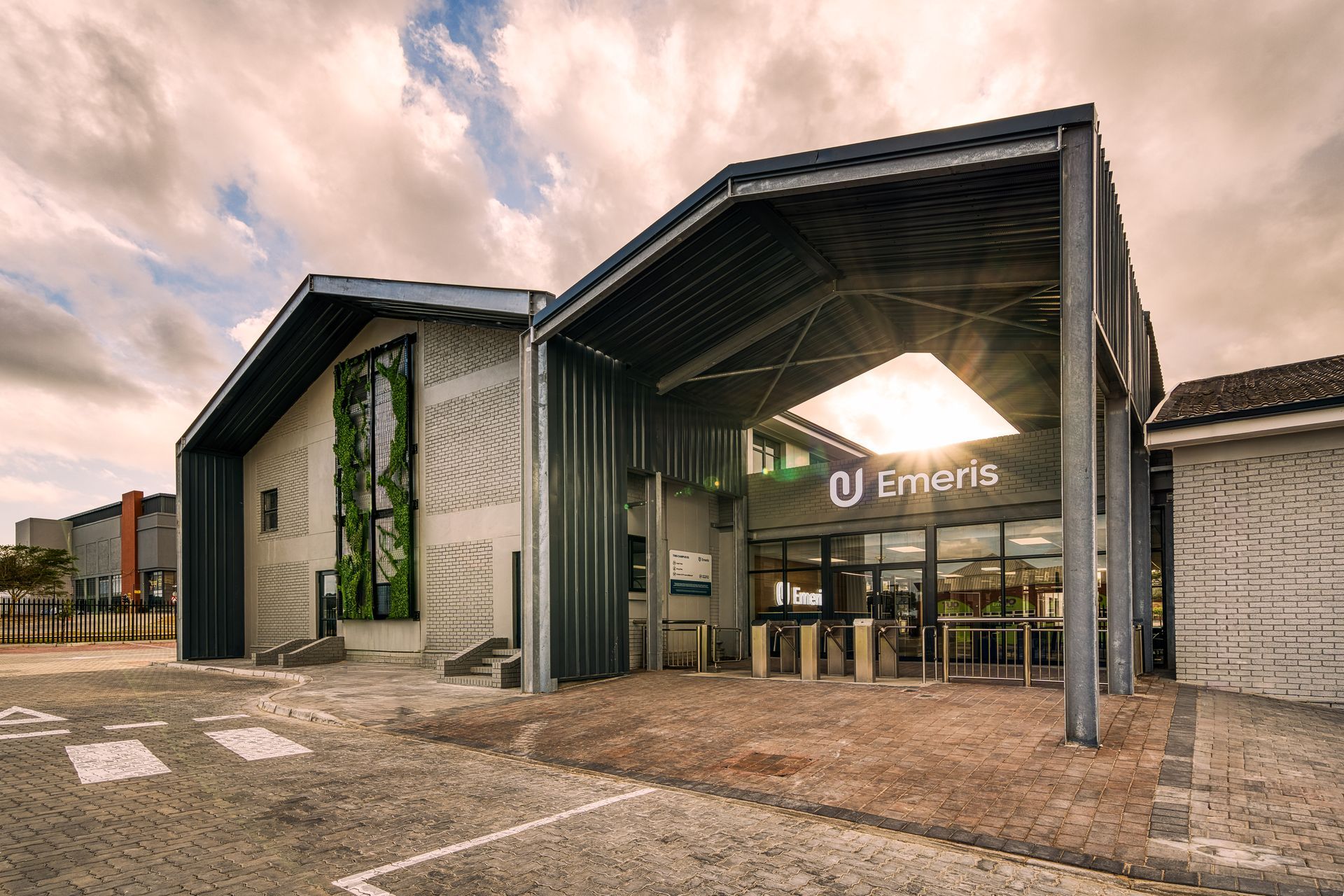
The indoor sports facility at the Emeris Nelson Mandela Bay mega campus in Gqeberha

In a significant recognition of its leadership in sustainable education, ADvTECH - Africa's leading private education provider - has been honoured for exceptional environmental stewardship at the Wildlife and Environment Society of South Africa (WESSA) Centenary Awards. Celebrating a century of inspiring environmental action, education, and advocacy under the motto “People Caring for the Earth”, WESSA acknowledged ADvTECH's deep integration of the Eco-Schools South Africa programme for its unparalleled scale and impact. “As WESSA marks 100 years of environmental leadership, partnerships like the one we share with ADvTECH remind us why environmental education remains one of the most powerful tools for long-term change,” says WESSA CEO Cindy-Lee Cloete. “When 42 schools within a single education group commit to environmental stewardship, the ripple effect extends far beyond the classroom into homes, communities and ultimately into the future leadership of this country.” At the awards ceremony on February 27, 37 ADvTECH schools received Silver Awards status, which celebrates two years of WESSA collaboration, and the schools below have shown their lasting dedication by participating in environmental initiatives and raising awareness. Trinityhouse, Little Falls: Gold status (4 yrs.) Crawford International School, Sandton: Platinum 2 status (7 yrs.) Tyger Valley College: Bronze Decade status (12 yrs.) Pinnacle College, Ridge View: Green Flag Decade status (13 yrs.) Pecanwood College: Platinum Decade 2 status (17 yrs.) Additionally, also recognised for submitting the most eco-snippets All of the ADvTECH participating schools achieved full assessment letters for their submitted portfolios of evidence, with scores ranging from 70% - 98%. Top achieving schools were: Crawford International School, La Lucia Maragon Olympus, Faerie Glen Crawford International School, Sandton Crawford International School, Lonehill Abbots College, Northcliff Additionally, ADvTECH received a Partnership Award in recognition of its outstanding and unique contribution to environmental stewardship. “It has been another incredible year working closely with the WESSA champions at our schools, as well as the dedicated WESSA team. Throughout 2025, we witnessed some of the most inspiring and comprehensive portfolios of evidence ever submitted, reflecting not only commitment but also genuine passion for environmental stewardship and sustainability. The quality, creativity, and consistency demonstrated by our champions have set a remarkable standard and continue to inspire positive change within their school communities,” says Krystal Munian, Academic Advisor and WESSA Lead. “We extend our sincere gratitude to every champion and the school teams for their phenomenal hard work, perseverance, and dedication to advancing the project’s goals. And we are excited about the year ahead and look forward to building on this momentum through new activities, innovative initiatives, collaborative projects, and continued growth across all participating schools.”

In an era where AI and digital tools are reshaping classrooms daily, the quality of teaching has never been more critical to student success. Research consistently shows that high-quality teacher training and professional development are among the most powerful factors influencing student achievement. Recognising the importance of high quality teacher development, ADvTECH, Africa's leading private education provider, has made significant investment into its SIRIUS teacher training platform. And in a major milestone, several SIRIUS programmes have now been accredited by the South African Council for Educators (SACE). This accreditation ensures that educators gain high-quality, compliant professional development that counts toward their mandatory Continuing Professional Teacher Development (CPTD) points, while equipping them with practical, future-ready skills. “The SACE endorsement reinforces ADvTECH’s unwavering commitment to continuous professional growth, positioning our teachers and lecturers as confident leaders in educational innovation across South Africa and the continent. By investing in nationally recognised, high-impact development, ADvTECH ensures that great teaching remains the foundation of outstanding student outcomes,” says Darren Purdon, Academic Project Manager at ADvTECH’S Academic Centre of Excellence. “Through SIRIUS, our teachers and tertiary lecturers access targeted training in areas like AI in Education, prompting techniques for smarter lesson planning, data literacy to drive evidence-based decisions, digital citizenship, and more. These SACE-endorsed offerings bridge the gap between emerging technologies and everyday classroom excellence, empowering educators to personalise learning, boost engagement, and prepare students for a rapidly changing world.” STAYING ON TOP OF TECH EVOLUTION SIRIUS currently has 96 courses and 63 podcasts, and offers a growing suite of AI‑aligned programmes designed to enhance digital fluency, promote innovative pedagogy, and position ADvTECH schools at the forefront of future‑ready learning. Key AI‑focused offerings on SIRIUS include: AI in Education Helping teachers understand AI’s role in learning, assessment, personalisation, and efficiency. Introduction to AI Prompting: Foundational Skills for Teachers Empowering educators with practical prompting techniques to enhance teaching, planning, and curriculum design. Data Literacy for Teachers Building confidence in using data to inform instructional decisions, track learner progress, and support evidence‑based teaching. “These courses equip teachers with the knowledge and skills necessary to confidently harness AI tools, improve learner engagement, and prepare students for a world where digital literacy is essential,” Purdon says. WHY SACE ACCREDITION MATTERS A SACE‑accredited course provides teachers with: Quality assurance that the programme meets national standards and contributes meaningfully to professional competence. Professional Development (PD) Points toward the mandatory 150 points required every three years, ensuring compliance with CPTD cycles. Reduced administrative burden, as SIRIUS submits PD points directly on teachers’ behalf. Credible, high‑impact learning that strengthens professional portfolios and supports career progression. Alignment with national priorities, ensuring ADvTECH educators remain current with evolving curriculum demands and pedagogical expectations. “SACE endorsement reinforces that ADvTECH’s professional development is not only relevant, but nationally recognised for excellence, ensuring alignment with South Africa’s highest standards for teacher professionalisation and quality assurance in education. “High-quality teacher development remains the single most powerful lever for improving student outcomes, equipping educators with the skills, confidence, and innovative approaches needed to inspire learning and close achievement gaps, making investments like SIRIUS essential to sustaining educational excellence and long-term success across South Africa and the continent.”

Gaborone, February 20, 2026 — Gaborone International School (GIS) today unveiled its new logo and brand identity, celebrating a significant milestone in the school’s growth and development in recent years. The launch forms part of a unified brand identity introduced across schools within the ADvTECH International Group, and strengthens the GIS positioning within the ADvTECH International family while reinforcing its leadership in delivering high-quality private education in Botswana. The new visual identity aligns Gaborone International School and Makini Schools (in Kenya) under a single designed logo, while each school retains its individual name, heritage, and local character. This honors the school's solid historical foundation while firmly positioning it for future excellence. “Over the past decade, GIS has undergone significant transformation across its academic programmes, facilities, and staff development. The refreshed logo reflects this future-focused journey and reinforces the school’s commitment to accessible, high-quality education rooted in strong values and academic leadership,” says Horace Mpanza, ADvTECH Regional Managing Director. The rebrand reflects GIS’s sustained growth, ambition, and unwavering commitment to preparing learners for a rapidly changing world, while remaining firmly rooted in its refreshed values of integrity, growth, excellence, and generosity of spirit. Since it acquired GIS in 2015, ADvTECH has invested millions into state-of-the-art infrastructure such as a modern Science and Technology Centre while expanding the pre-school and primary facilities, enhancing sports amenities, and the integrating advanced technology across the learning ecosystem. This includes the adoption of ADvLEARN and Guided Readers, AI-enabled platforms that deliver personalized, adaptive education in line with global best practice. “The refreshed brand identity aligns with our long-term vision to deepen the impact of GIS in Botswana’s education sector and the country’s wider economic prosperity. This milestone enhances GIS’s recognition as part of Africa’s leading private education provider, and supports its mission to drive innovation and student achievement to empower Botswana’s next generation of global citizens,” says Mpanza. SIGNIFICANCE OF THE NEW LOGO The school's culture has been characterised by five timeless motifs that are included in the new emblem: The Book , representing academic excellence The Torch and Flame , symbolising inspiration and leadership The Pillar , reflecting strength and stability The Laurel Wreath , denoting achievement and honor The Shield , standing for tradition and security Together, these elements affirm the school’s promise to deliver quality education while remaining grounded in tradition.

Nairobi, February 17, 2026 – Makini Schools will officially unveil its refreshed brand identity on Friday, February 20, 2026, marking a strategic evolution that strengthens its unified positioning and reinforces its leadership and credibility in the African education sector. The rebrand reflects Makini’s continued growth, ambition, and commitment to preparing learners for a rapidly changing world, while remaining firmly anchored in its values of integrity, growth, excellence, and generosity of spirit. While the visual identity has been modernised, the name Makini Schools remains unchanged, underscoring the institution’s confidence in its heritage and enduring legacy. At the centre of the refreshed identity is a new logo that symbolises confidence, clarity, and future-readiness. The new brand will be implemented across Makini Schools in Kenya and extended to other ADvTECH International schools across Africa, including Gaborone International Schools in Botswana. “This rebrand represents a strategic evolution of Makini Schools,” said Horace Mpanza, Regional Managing Director, Makini Schools. “While our visual identity has been refreshed, our name, our commitment to quality education remains unchanged. This new identity reflects who we are today and where we are headed as we continue shaping future-ready learners.” The refreshed brand builds on a sustained period of growth and investment. Makini Schools recently acquired Regis School, now rebranded as Makini Schools Runda. We have also strengthened our holistic offering through major investment in sports. We launched upgraded sports facilities at our Ngong Road and Kisumu campuses after investing over KSh 100 million. Across the institution, we continue to invest in modern sports and academic infrastructure, as well as digital learning tools that enhance instruction. This includes ADvLEARN, our AI enabled personalised learning platform, teacher laptops, and classroom projectors, all designed to support better teaching and stronger learner outcomes. Commenting on the role of technology in education, Mr. Mpanza emphasised the importance of preparing learners for an evolving labour market. “Artificial intelligence will undoubtedly change the nature of work, but it will also create new pathways that demand higher-order thinking, creativity, and adaptability. Our learners must be prepared for jobs and opportunities that may not yet exist.” Founded on the principle of delivering accessible, high-quality education, Makini Schools has built a strong reputation for nurturing well-rounded learners grounded in academic excellence, discipline, and strong values. The refreshed brand identity aligns with the institution’s long-term strategic vision to strengthen its presence across Africa and enhance recognition as it continues to scale. The announcement was made at a media roundtable held on Tuesday, February 17, where Makini leadership engaged education and business journalists in a broader discussion on the evolution of Kenya’s education system. The session underscored the critical role private schools play in shaping national education outcomes and emphasised the need for continued collaboration between private institutions, government, educators, and other stakeholders to strengthen implementation, drive innovation, and enhance learner readiness across the sector. “Our heritage is our foundation,” added Mr. Mpanza. “This rebrand honours our past while boldly positioning Makini for the next generation of learners.”

With all the start-of-the-year activities, ceremonies and celebrations now out of the way, the serious business of the Matric Class of 2026’s journey towards their final exams has now arrived. This year can feel overwhelming, not just for students, but for parents too, who often feel as though they are writing matric alongside their children. “Whether students are aiming for university entrance, considering a gap year, or simply focused on finishing strong, the culmination of twelve years of education comes down to the NSC results for which they will sit later this year,” says Darren Purdon, Academic Project Manager: Academic Centre of Excellence at ADvTECH and The IIE. “Matric is a year filled with excitement and responsibility. Many students take on leadership roles, plan their matric farewells, and prepare for valediction services. These events are memorable, but they also add to the pressure of maintaining strong academic performance. Mental health becomes a crucial factor, as students juggle multiple responsibilities and expectations,” he says. But, to start the year on the right foot, it is imperative for students to set clear academic goals. “APS scores are vital for university entrance, so students must understand the requirements and track their progress consistently. Parents can support this by creating a tracking sheet and having regular discussions with their child about their marks. These conversations should be constructive, offering motivation and support where needed,” says Purdon. Planning is essential to avoid burnout, he adds. “A monthly planner that includes all assessments and portfolio deadlines helps students stay organised. Establishing a study routine early in the year, with consistent daily habits, is far more effective than last-minute cramming. Using a wall planner or digital app to mark exam dates and assignment deadlines can make a big difference.” Portfolio pieces play a significant role in the final NSC mark. Students should aim to submit their best work and take advantage of opportunities to revise and resubmit tasks. Engaging with teachers for feedback is key. However, students must be cautious of plagiarism. While tools like ChatGPT and Microsoft Copilot are excellent for research, they should not be used to generate final submissions. Plagiarised work will be discarded and penalised, which can negatively impact results. “Many subjects allow students to select their highest-scoring portfolio pieces. This flexibility can be a strategic advantage if assessments are approached with preparation and effort. Starting assignments early allows time for reflection and improvement, leading to better outcomes. Students should reach out to teachers for guidance and use feedback to refine their work,” Purdon says. Very importantly, mental wellbeing must be prioritised throughout the year. Encourage short, focused study blocks followed by breaks, and promote healthy habits like regular exercise, balanced nutrition, and sufficient sleep. Stress management techniques such as journaling, breathing exercises, or short walks can help students stay grounded. Pressure is normal, the key is learning to manage it effectively. Thought Life Orientation is an after-thought? Think again. “Life Orientation is often overlooked, yet it can influence university residence applications. It’s a task-driven subject, making it easier to excel with proper planning and effort. Aim for a distinction, it’s achievable,” says Purdon. Active learning strategies such as summarising notes, teaching concepts aloud, using flashcards, and practising with past papers are highly effective. “Previous NSC papers are invaluable for understanding question formats and expectations. These resources are freely available online and should be printed and organised in subject-specific folders for easy access. “After each test, students should reflect on their performance: What went well? What needs improvement? This feedback loop is essential for growth. Taking notes in class and creating study summaries from day one will make exam preparation easier. Avoid studying late at night before assessments, and plan ahead to reduce anxiety and improve retention.” Reviewing Grade 11 content in key subjects like Mathematics, Physical Sciences, and Languages is also important. Study groups and peer tutoring can reinforce understanding, and regular check-ins with teachers or mentors can help identify and address challenges early. Focus on now, but also strategise the future. While the Matric year brings countless demands on your time and energy, planning your post-Matric path is equally crucial - especially if you plan to pursue further studies, Purdon says. “Start exploring your options right from the beginning of the year by thoroughly investigating all available pathways. Attend Open Days at as many public and private universities as possible to gain firsthand insight into campuses, programmes, and facilities. By acting proactively and keeping an open mind to the full range of possibilities, you'll reduce stress, make more informed decisions, and position yourself for a smoother, more successful transition into higher education.” This final year of school is not just about academics, it’s about balance, planning, and making the most of every opportunity. With the right support and mindset, students can thrive and finish strong, while hopefully reducing stress and anxiety, says Purdon. “Above all, students should remember to enjoy their final year of school. It’s a year filled with milestones and celebrations, and it passes quickly. Embrace the journey, plan wisely, and make the most of every moment.”
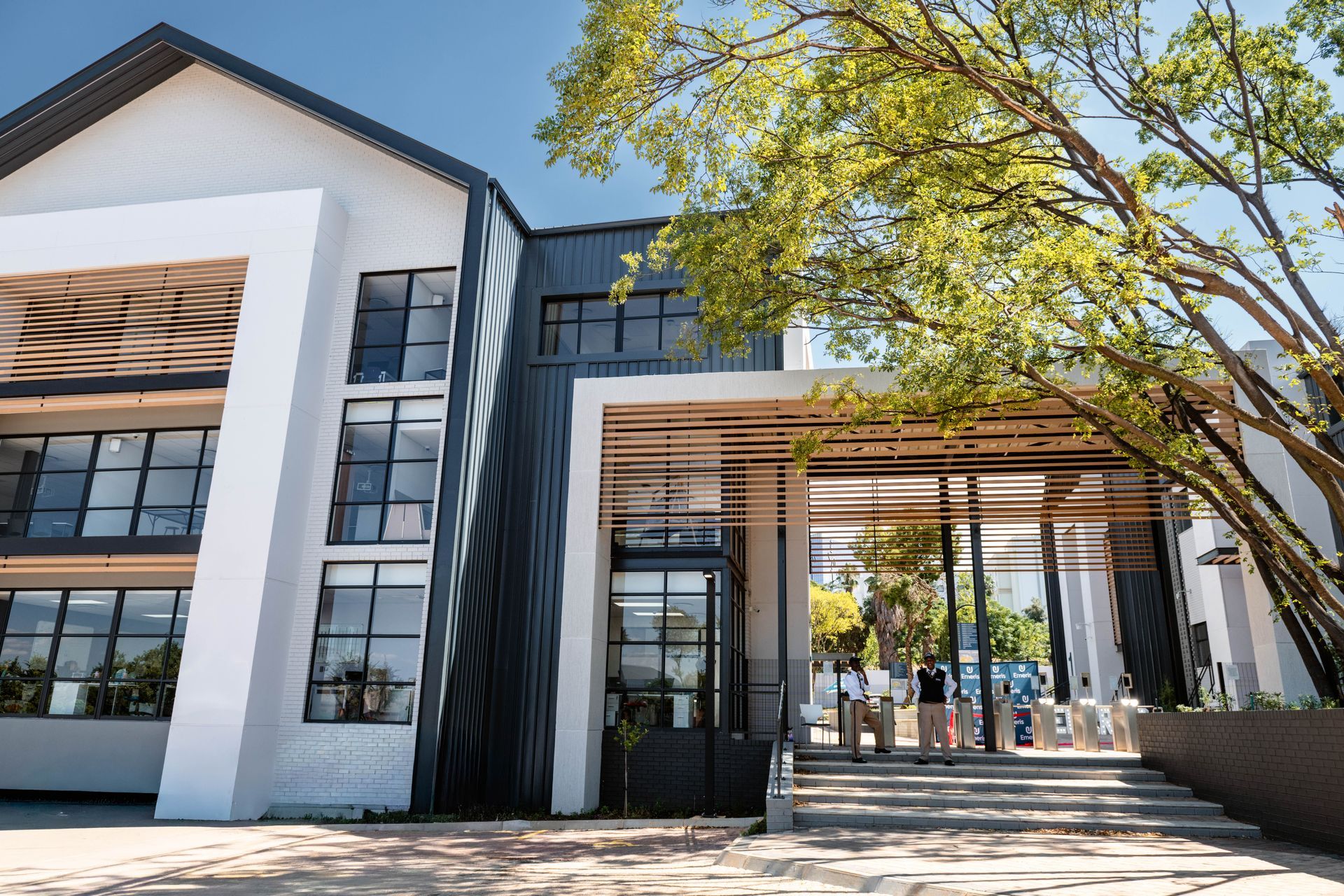
Emeris Sandton officially opened its doors on Wednesday, 3 February in what has come to be known as the richest square mile in Africa, bringing a state-of-the-art mega campus to the heart of Johannesburg. The R420 million, 47,000-square-metre campus represents one of the largest private investments in tertiary education in Gauteng, signalling a strong vote of confidence in the future of South African talent development. This landmark development marks the consolidation of The Independent Institute of Education’s Varsity College Sandton and IIE Vega School Bordeaux under one roof, now operating as Emeris and The Vega School at Emeris Sandton. With the opening of this new campus, Emeris now operates ten contact campuses and one online centre across South Africa’s major metropolitan areas. Emeris educated approximately 30,000 students in 2025.

Practical early childhood development advice for schools and parents
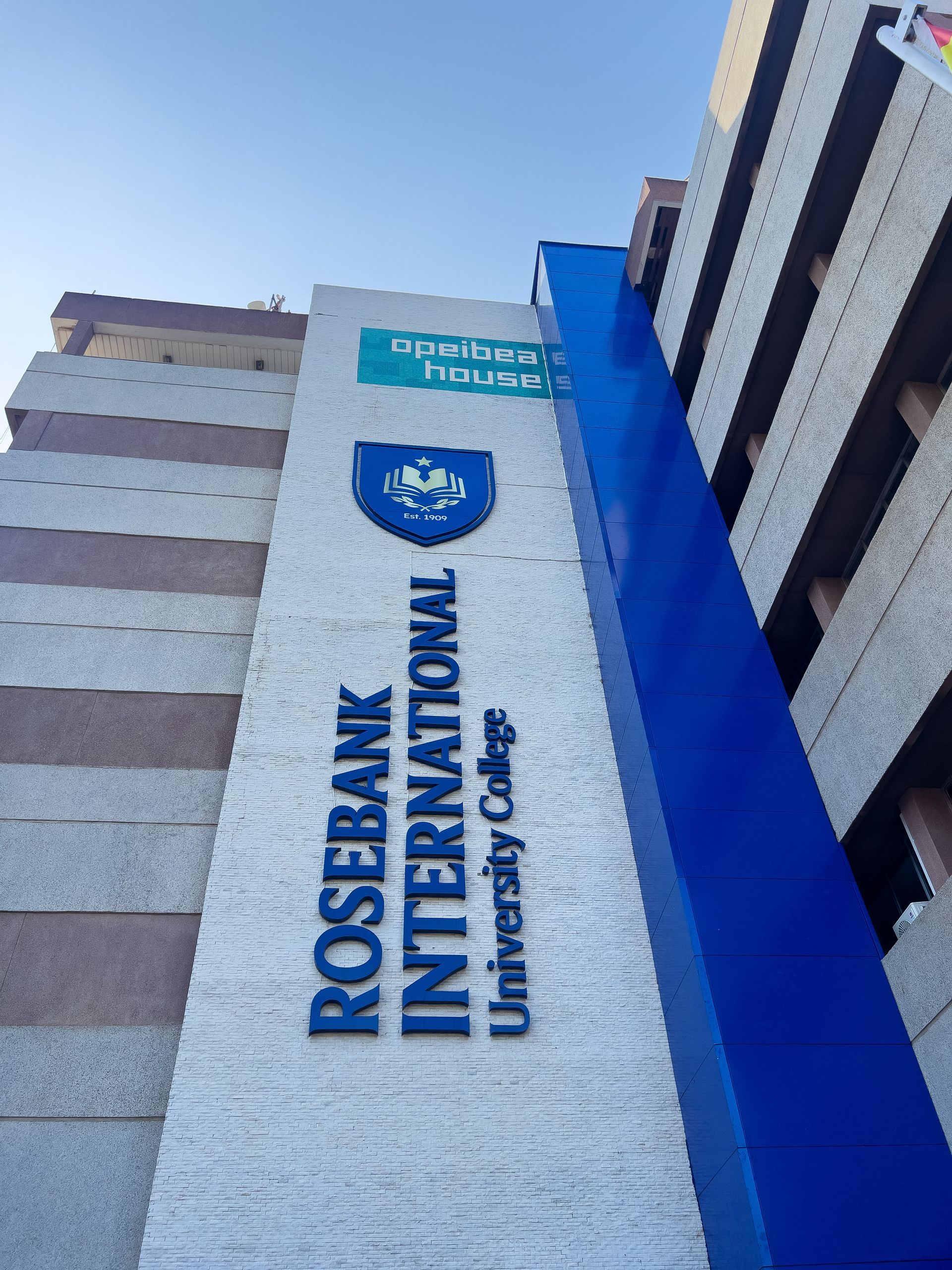
Rosebank International University College (RIUC), the groundbreaking institution launched last year by Africa’s leading private education provider, the ADvTECH Group, today proudly welcomed its inaugural cohort of students. Hundreds of exceptional first-time students, carefully selected from an overwhelming pool of more than one thousand highly competitive applications, have now officially commenced their transformative academic journey at RIUC . This select cohort now embarks on an unparalleled opportunity – one that will equip them with the advanced skills, cutting-edge knowledge, and innovative mindset essential to meet the evolving demands of the global workforce in the Fourth Industrial Revolution and beyond. Dr Linda Meyer, President of Rosebank International University College, and MD at The IIE’s Rosebank College and Waterfall School of Business (WSB), said: “Today marks an historic step as we welcome our pioneering inaugural cohort.” “Backed by ADvTECH’s pan-African vision, our accreditations, global partnerships, and GETFund support, RIUC is delivering inclusive, innovative education that prepares students for success in the Fourth Industrial Revolution and beyond, while rooting excellence in African leadership.” “As they step onto the modern campus in Accra for the start of the 2026 academic year, these pioneering students are not only beginning their higher education, but also contributing to a significant milestone in Ghana’s tertiary landscape.” “They are positioned to become future leaders, innovators, and global professionals who will drive meaningful progress both locally and internationally,” she added. RIUC offers accredited programmes across its faculties, including high-demand qualifications such as: Bachelor of Computer and Information Sciences Bachelor of Commerce in Supply Chain Management Bachelor of Hospitality Management Bachelor of Computer and Information Sciences in Application Development Bachelor of Information Technology in Business Systems Bachelor of Commerce in Digital Retail Entrepreneurship RIUC is truly positioned as a hub for global learning, boasting partnerships with: Ghana Tertiary Education Commission (GTEC) Capsicum Culinary Studio (endorsing culinary programs with global industry ties) Association of African Universities Golden Key International Honour Society (global network for high-achieving scholars) ADvTECH and Rosebank College South Africa “Our new students can look forward to international exchange programmes, immersive study abroad opportunities, and access to globally recognized qualifications,” Dr Meyer says. With limited remaining space, prospective students for 2026 and beyond are encouraged to register immediately—online at www.riuc.edu.gh/application—registration or by visiting the campus.