







Our Brands
The Core of Our Business
ADvTECH remains Africa's leading private education provider and our commitment to academic excellence is at the core of our strategy and is fundamental to ADvTECH’s success.
Create exciting campaigns that attract attention
Benchmarking our performance
Learning and other analytics
International and employer recognition
News Desk

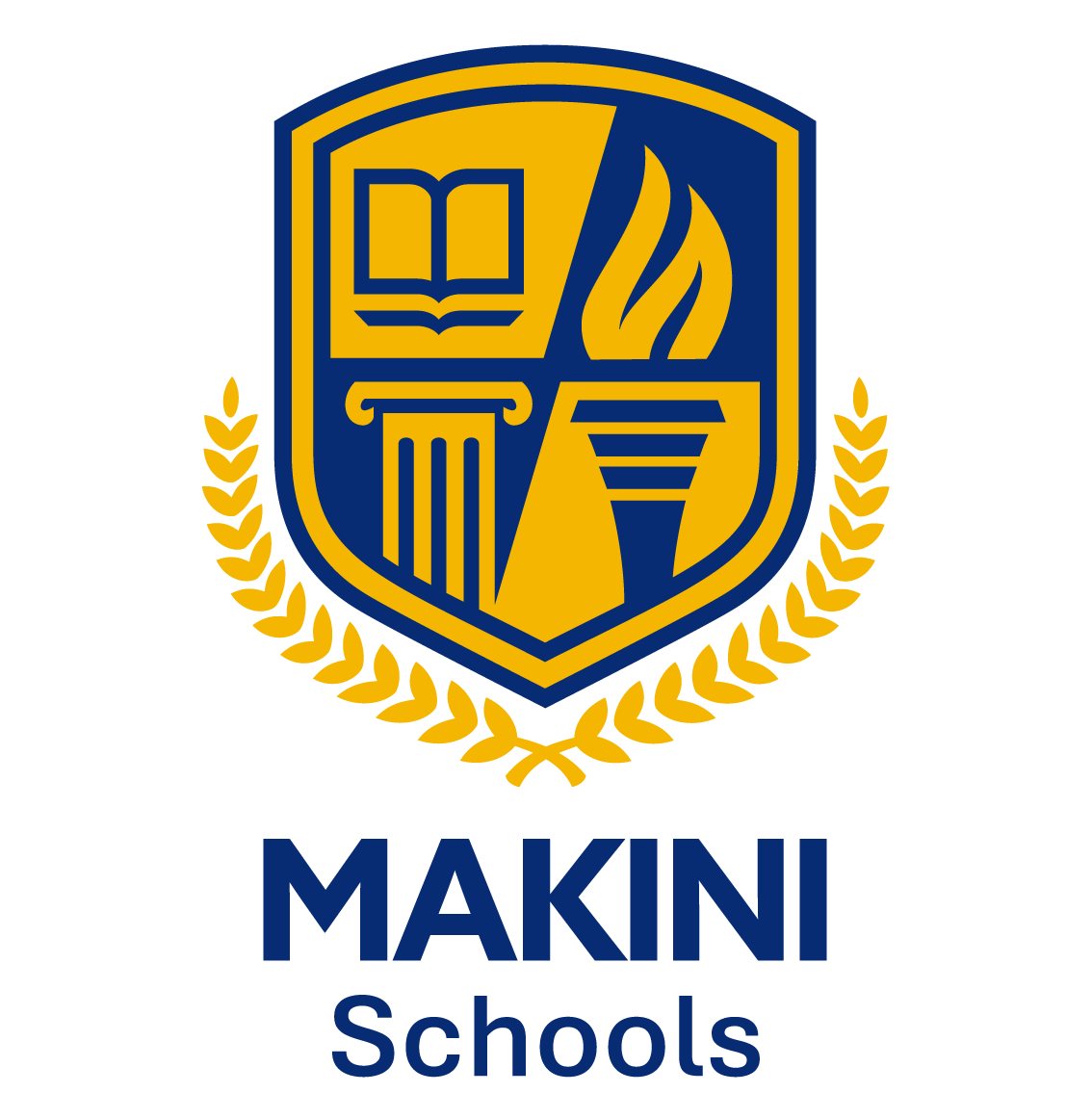
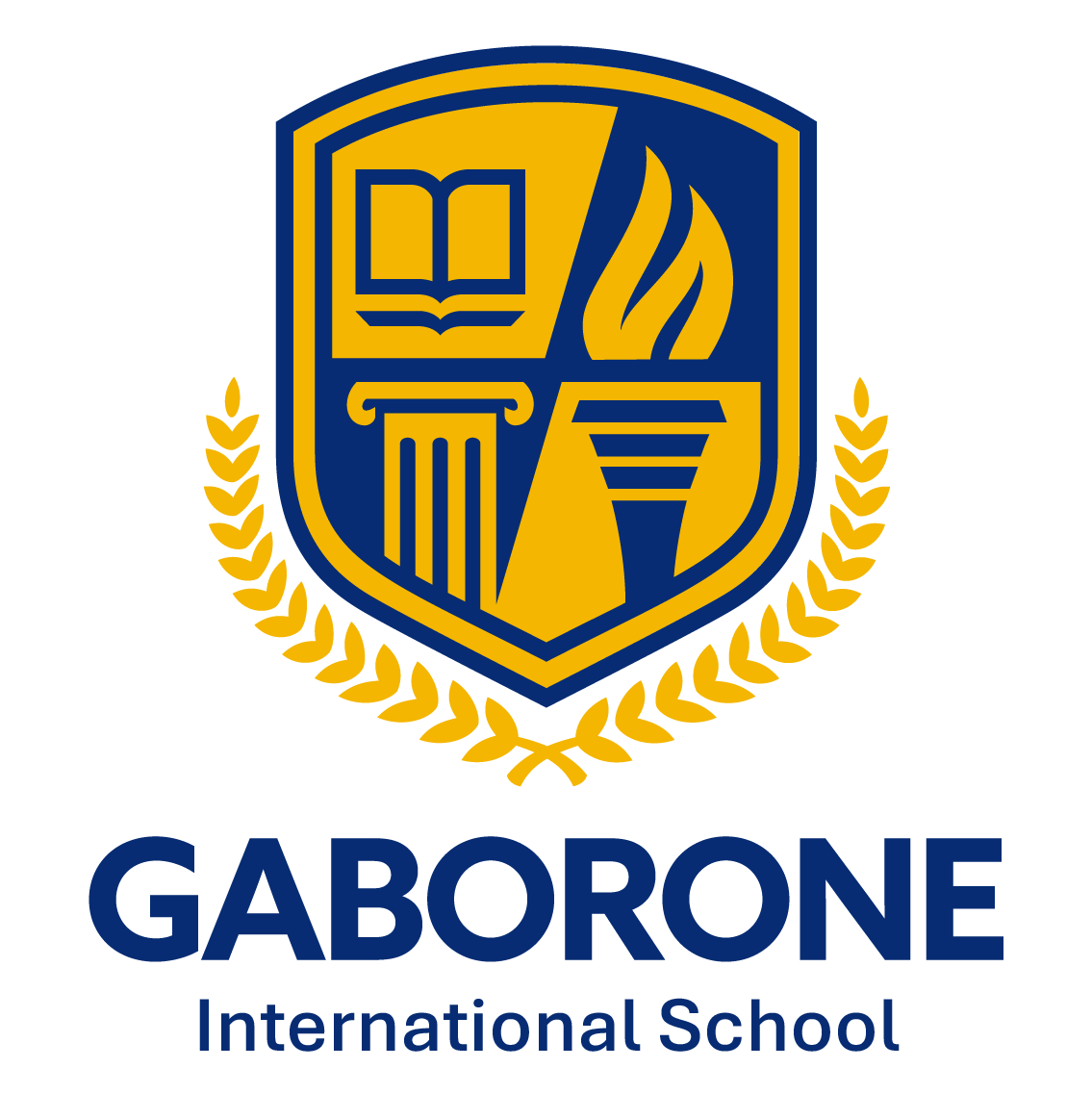
Gaborone, February 20, 2026 — Gaborone International School (GIS) today unveiled its new logo and brand identity, celebrating a significant milestone in the school’s growth and development in recent years. The launch forms part of a unified brand identity introduced across schools within the ADvTECH International Group, and strengthens the GIS positioning within the ADvTECH International family while reinforcing its leadership in delivering high-quality private education in Botswana. The new visual identity aligns Gaborone International School and Makini Schools (in Kenya) under a single designed logo, while each school retains its individual name, heritage, and local character. This honors the school's solid historical foundation while firmly positioning it for future excellence. “Over the past decade, GIS has undergone significant transformation across its academic programmes, facilities, and staff development. The refreshed logo reflects this future-focused journey and reinforces the school’s commitment to accessible, high-quality education rooted in strong values and academic leadership,” says Horace Mpanza, ADvTECH Regional Managing Director. The rebrand reflects GIS’s sustained growth, ambition, and unwavering commitment to preparing learners for a rapidly changing world, while remaining firmly rooted in its refreshed values of integrity, growth, excellence, and generosity of spirit. Since it acquired GIS in 2015, ADvTECH has invested millions into state-of-the-art infrastructure such as a modern Science and Technology Centre while expanding the pre-school and primary facilities, enhancing sports amenities, and the integrating advanced technology across the learning ecosystem. This includes the adoption of ADvLEARN and Guided Readers, AI-enabled platforms that deliver personalized, adaptive education in line with global best practice. “The refreshed brand identity aligns with our long-term vision to deepen the impact of GIS in Botswana’s education sector and the country’s wider economic prosperity. This milestone enhances GIS’s recognition as part of Africa’s leading private education provider, and supports its mission to drive innovation and student achievement to empower Botswana’s next generation of global citizens,” says Mpanza. SIGNIFICANCE OF THE NEW LOGO The school's culture has been characterized by five timeless motifs that are included in the new emblem: The Book , representing academic excellence The Torch and Flame , symbolizing inspiration and leadership The Pillar , reflecting strength and stability The Laurel Wreath , denoting achievement and honor · The Shield , standing for tradition and security Together, these elements affirm the school’s promise to deliver quality education while remaining grounded in tradition.

Nairobi, February 17, 2026 – Makini Schools will officially unveil its refreshed brand identity on Friday, February 20, 2026, marking a strategic evolution that strengthens its unified positioning and reinforces its leadership and credibility in the African education sector. The rebrand reflects Makini’s continued growth, ambition, and commitment to preparing learners for a rapidly changing world, while remaining firmly anchored in its values of integrity, growth, excellence, and generosity of spirit. While the visual identity has been modernised, the name Makini Schools remains unchanged, underscoring the institution’s confidence in its heritage and enduring legacy. At the centre of the refreshed identity is a new logo that symbolises confidence, clarity, and future-readiness. The new brand will be implemented across Makini Schools in Kenya and extended to other ADvTECH International schools across Africa, including Gaborone International Schools in Botswana. “This rebrand represents a strategic evolution of Makini Schools,” said Horace Mpanza, Regional Managing Director, Makini Schools. “While our visual identity has been refreshed, our name, our commitment to quality education remains unchanged. This new identity reflects who we are today and where we are headed as we continue shaping future-ready learners.” The refreshed brand builds on a sustained period of growth and investment. Makini Schools recently acquired Regis School, now rebranded as Makini Schools RundaWe have also strengthened our holistic offering through major investment in sports. We launched upgraded sports facilities at our Ngong Road and Kisumu campuses after investing over KSh 100 million. Across the institution, we continue to invest in modern sports and academic infrastructure, as well as digital learning tools that enhance instruction. This includes ADvLEARN, our AI enabled personalised learning platform, teacher laptops, and classroom projectors, all designed to support better teaching and stronger learner outcomes. Commenting on the role of technology in education, Mr. Mpanza emphasised the importance of preparing learners for an evolving labour market. “Artificial intelligence will undoubtedly change the nature of work, but it will also create new pathways that demand higher-order thinking, creativity, and adaptability. Our learners must be prepared for jobs and opportunities that may not yet exist.” Founded on the principle of delivering accessible, high-quality education, Makini Schools has built a strong reputation for nurturing well-rounded learners grounded in academic excellence, discipline, and strong values. The refreshed brand identity aligns with the institution’s long-term strategic vision to strengthen its presence across Africa and enhance recognition as it continues to scale. The announcement was made at a media roundtable held on Tuesday, February 17, where Makini leadership engaged education and business journalists in a broader discussion on the evolution of Kenya’s education system. The session underscored the critical role private schools play in shaping national education outcomes and emphasised the need for continued collaboration between private institutions, government, educators, and other stakeholders to strengthen implementation, drive innovation, and enhance learner readiness across the sector. “Our heritage is our foundation,” added Mr. Mpanza. “This rebrand honours our past while boldly positioning Makini for the next generation of learners.”

With all the start-of-the-year activities, ceremonies and celebrations now out of the way, the serious business of the Matric Class of 2026’s journey towards their final exams has now arrived. This year can feel overwhelming, not just for students, but for parents too, who often feel as though they are writing matric alongside their children. “Whether students are aiming for university entrance, considering a gap year, or simply focused on finishing strong, the culmination of twelve years of education comes down to the NSC results for which they will sit later this year,” says Darren Purdon, Academic Project Manager: Academic Centre of Excellence at ADvTECH and The IIE. “Matric is a year filled with excitement and responsibility. Many students take on leadership roles, plan their matric farewells, and prepare for valediction services. These events are memorable, but they also add to the pressure of maintaining strong academic performance. Mental health becomes a crucial factor, as students juggle multiple responsibilities and expectations,” he says. But, to start the year on the right foot, it is imperative for students to set clear academic goals. “APS scores are vital for university entrance, so students must understand the requirements and track their progress consistently. Parents can support this by creating a tracking sheet and having regular discussions with their child about their marks. These conversations should be constructive, offering motivation and support where needed,” says Purdon. Planning is essential to avoid burnout, he adds. “A monthly planner that includes all assessments and portfolio deadlines helps students stay organised. Establishing a study routine early in the year, with consistent daily habits, is far more effective than last-minute cramming. Using a wall planner or digital app to mark exam dates and assignment deadlines can make a big difference.” Portfolio pieces play a significant role in the final NSC mark. Students should aim to submit their best work and take advantage of opportunities to revise and resubmit tasks. Engaging with teachers for feedback is key. However, students must be cautious of plagiarism. While tools like ChatGPT and Microsoft Copilot are excellent for research, they should not be used to generate final submissions. Plagiarised work will be discarded and penalised, which can negatively impact results. “Many subjects allow students to select their highest-scoring portfolio pieces. This flexibility can be a strategic advantage if assessments are approached with preparation and effort. Starting assignments early allows time for reflection and improvement, leading to better outcomes. Students should reach out to teachers for guidance and use feedback to refine their work,” Purdon says. Very importantly, mental wellbeing must be prioritised throughout the year. Encourage short, focused study blocks followed by breaks, and promote healthy habits like regular exercise, balanced nutrition, and sufficient sleep. Stress management techniques such as journaling, breathing exercises, or short walks can help students stay grounded. Pressure is normal, the key is learning to manage it effectively. Thought Life Orientation is an after-thought? Think again. “Life Orientation is often overlooked, yet it can influence university residence applications. It’s a task-driven subject, making it easier to excel with proper planning and effort. Aim for a distinction, it’s achievable,” says Purdon. Active learning strategies such as summarising notes, teaching concepts aloud, using flashcards, and practising with past papers are highly effective. “Previous NSC papers are invaluable for understanding question formats and expectations. These resources are freely available online and should be printed and organised in subject-specific folders for easy access. “After each test, students should reflect on their performance: What went well? What needs improvement? This feedback loop is essential for growth. Taking notes in class and creating study summaries from day one will make exam preparation easier. Avoid studying late at night before assessments, and plan ahead to reduce anxiety and improve retention.” Reviewing Grade 11 content in key subjects like Mathematics, Physical Sciences, and Languages is also important. Study groups and peer tutoring can reinforce understanding, and regular check-ins with teachers or mentors can help identify and address challenges early. Focus on now, but also strategise the future. While the Matric year brings countless demands on your time and energy, planning your post-Matric path is equally crucial - especially if you plan to pursue further studies, Purdon says. “Start exploring your options right from the beginning of the year by thoroughly investigating all available pathways. Attend Open Days at as many public and private universities as possible to gain firsthand insight into campuses, programmes, and facilities. By acting proactively and keeping an open mind to the full range of possibilities, you'll reduce stress, make more informed decisions, and position yourself for a smoother, more successful transition into higher education.” This final year of school is not just about academics, it’s about balance, planning, and making the most of every opportunity. With the right support and mindset, students can thrive and finish strong, while hopefully reducing stress and anxiety, says Purdon. “Above all, students should remember to enjoy their final year of school. It’s a year filled with milestones and celebrations, and it passes quickly. Embrace the journey, plan wisely, and make the most of every moment.”